

Water Filters · Karachi
Water Filters for Irrigation & Homes in Karachi
Karachi's water is hard – full of sediment, sand and high TDS that clogs drip emitters and sprinkler nozzles and shortens the life of any system. The right filter is not optional; it's what makes everything else last. We size and select the filter to your actual water source.
What does a water filter cost in Karachi? For irrigation, a disc filter runs Rs 25,000–70,000, a hydrocyclone Rs 30,000–1 lakh, and a sand media filter Rs 1–3 lakh, depending on size and flow. A domestic 7-stage RO system for drinking water is Rs 50,000–3 lakh. The right choice depends entirely on your water source – boring, tank, septic or supply line. Tell us your water source on WhatsApp and we'll recommend exactly what you need.
All figures are guide ranges. Final cost is confirmed after a free assessment of your water source.
01 · Why It Matters
Clean Water Means a System That Lasts
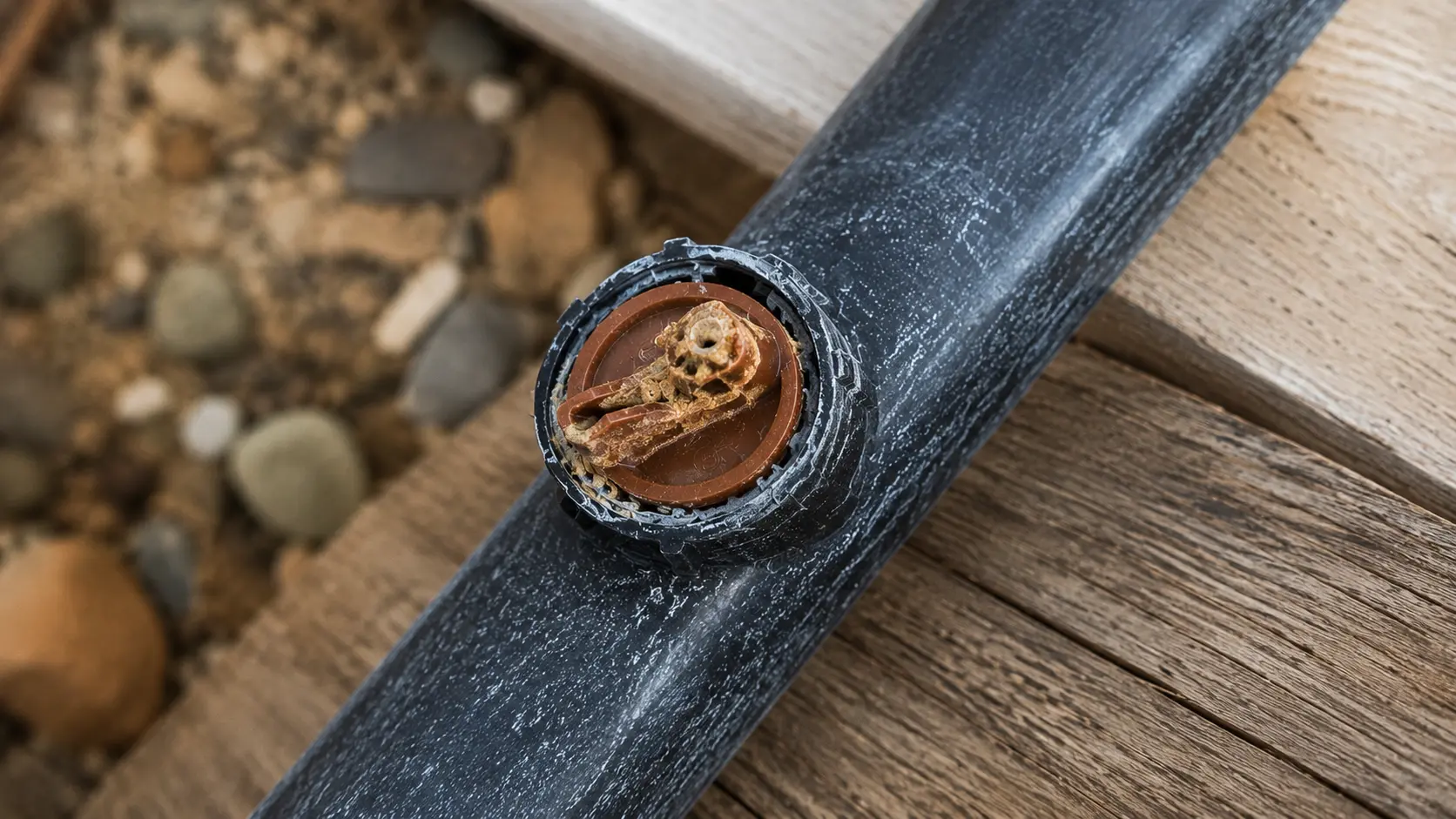
Drip emitters and sprinkler nozzles have tiny openings. Karachi's water – whether it comes from boring, an underground tank, a tanker or a septic line – carries sand, sediment and dissolved minerals that settle in those openings and block them. A clogged emitter waters nothing; a clogged nozzle sprays unevenly. Left unfiltered, a system that should run for years starts failing in months.
Filtration is the cheapest way to protect an irrigation system. The filter is sized to your water source and your flow rate, so it traps what needs trapping without choking the flow. Get it right and the rest of the system simply works – and keeps working.
What bad water does
- Clogs drip emitters & drippers
- Blocks sprinkler & misting nozzles
- Causes uneven, patchy watering
- Shortens the system's life
- Leaves spots on solar panels
What the right filter does
- Traps sand, silt & sediment
- Protects every emitter & nozzle
- Keeps flow and pressure steady
- Extends system life several times over
- Sized to your exact water source
02 · Disc Filter
The Workhorse of Drip Irrigation
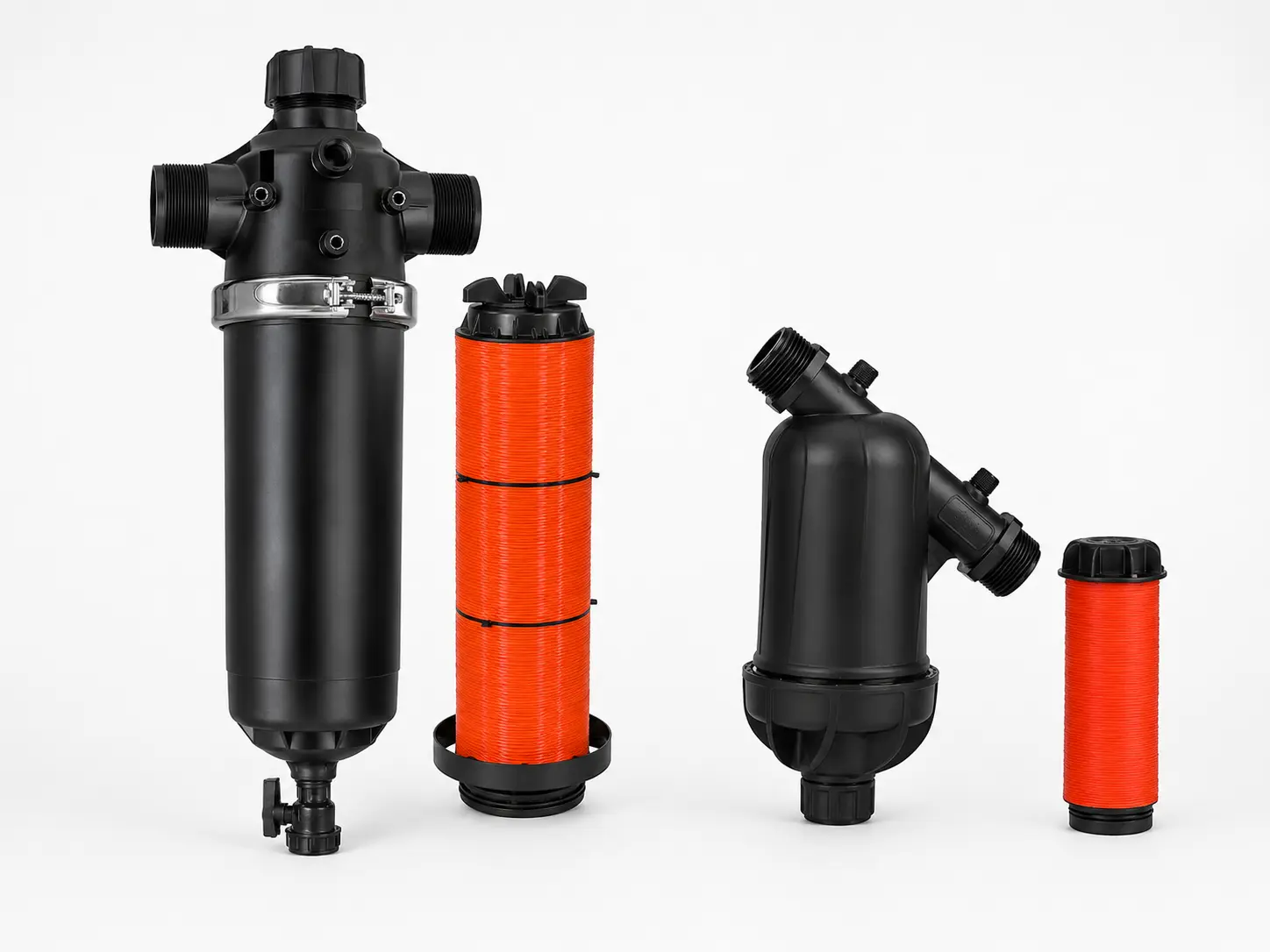
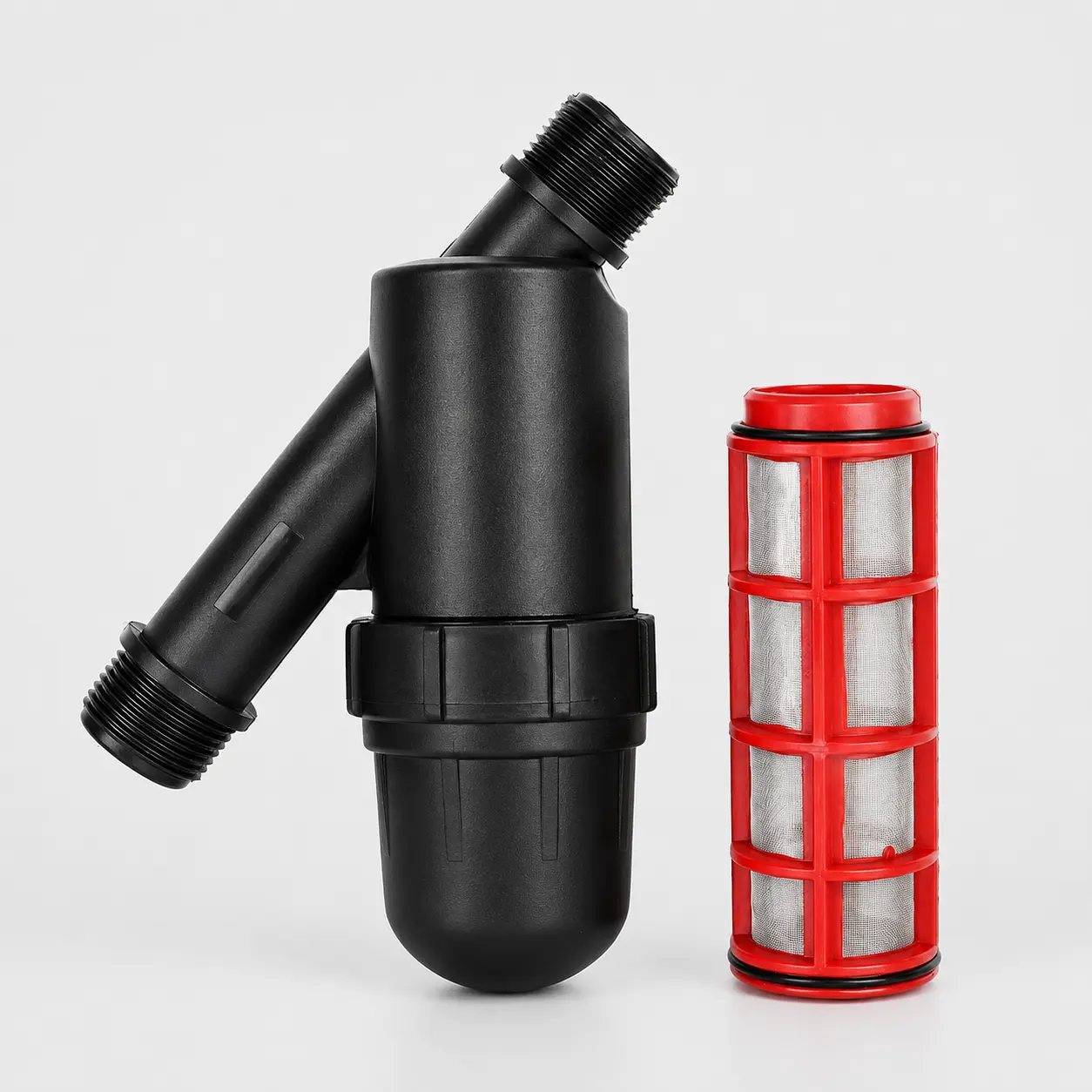
This is the filter we use most. A disc filter is a stack of grooved rings pressed together – water passes through the tiny grooves while sediment is caught on the surface. It traps fine particles far better than a simple screen, and when it's dirty you just open it, rinse the discs and put it back. No replacement cartridge to buy.
For drip irrigation – rooftop, garden or farm – a disc filter is close to mandatory. It's the difference between drippers that keep flowing and drippers that block up within a season. The size and the disc rating are matched to your system's flow and how dirty the water is.
How a Y-Type Disc Filter Works
A short walkthrough of the disc filter we use most in drip irrigation – what it does and how to clean it.
03 · Sand Media Filter
For Large Systems & Organic Matter
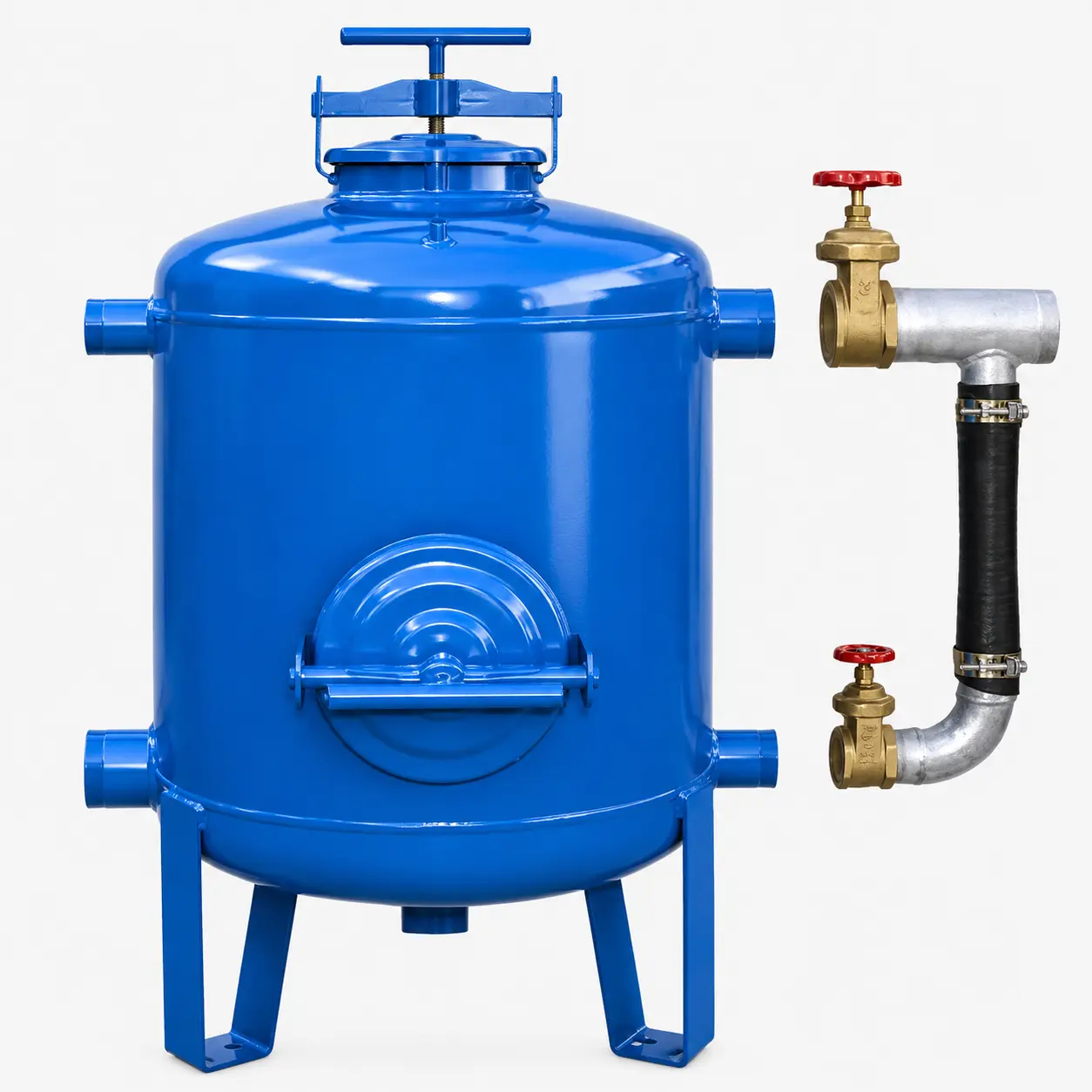
A sand media filter is a tank packed with graded sand or media. Water flows down through the bed and the sand traps sediment, algae and organic matter throughout its depth – not just on a surface – so it holds a large amount of dirt before it needs cleaning. It's cleaned by back-flushing: reversing the flow to wash the trapped dirt out.
This is the filter for bigger systems and dirtier water, especially on farms drawing from open or canal sources where organic matter is a problem. On agricultural drip, a sand media filter paired with a disc filter is the standard, reliable setup.
04 · Hydrocyclone
For Heavy Sand in Boring Water
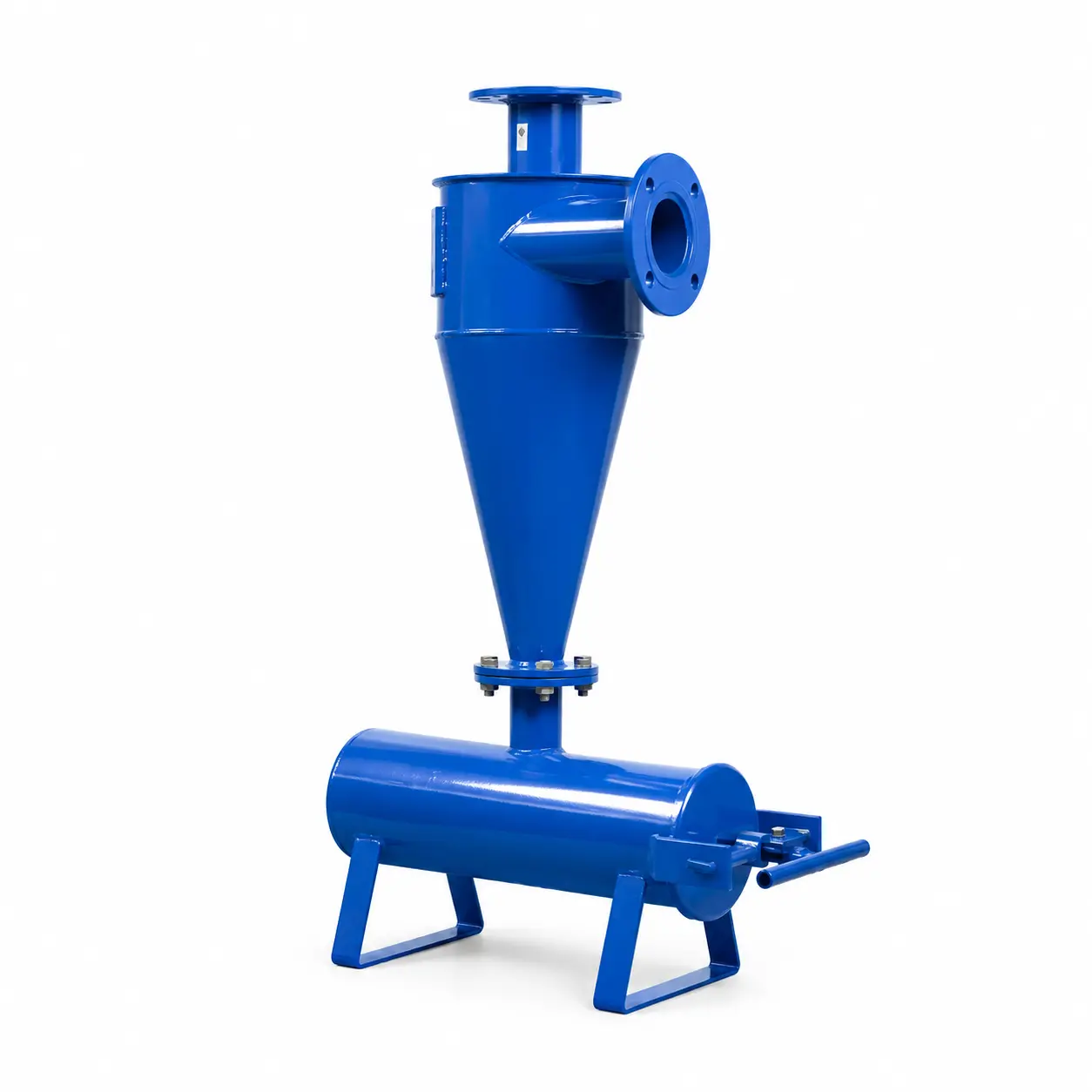
A hydrocyclone – a sand separator – spins the water so that heavy sand particles are flung to the outside and drop out of the bottom before they ever reach the rest of the system. There are no discs or media inside to clog; it simply separates sand by spinning it out.
If you're pumping from a boring (borewell), this is often essential. Boring water in much of Karachi carries fine sand that would quickly wear and clog a disc or media filter on its own. The hydrocyclone takes that sand out first, so the filters behind it last far longer.
05 · Screen Filter
The Simple Option
A screen filter is the most basic type – a fine mesh screen that catches larger particles as water passes through. It's simple and cheap, and it works well on water that's already fairly clean. Its weakness is fine sediment and organic matter like algae, which clog the mesh quickly and are hard to clean off.
So we keep it as a "good to have" option for light-duty, clean-water jobs. For most Karachi drip work we'll point you to a disc filter instead – it has a far larger filtering surface, handles fine and organic matter better, and is just as easy to rinse out.
06 · Which Filter Do You Need?
It Depends on Your Water & Your System
There's no single answer – the right filter is decided by your water source and the system it's protecting. Here's how we actually choose on site.
Agricultural drip (farm)
A sand media filter + disc filter together is the standard. The media handles the bulk and organic matter; the disc gives the fine final filtration that protects the drippers.
Farm drip with low flow
If the flow is low, we may skip the sand media filter and use a larger disc filter instead – same protection, better suited to the flow, and lower cost.
Any system on boring water
We add a hydrocyclone in front to spin out the heavy sand boring water carries, so the disc or media filter behind it isn't overwhelmed and lasts far longer.
Sprinkler on line / clean water
If the lawn runs on clean supply-line or clean tank water, no filter is needed – we won't sell you one you don't need.
Sprinkler on a septic tank
If the system draws from a septic / recycled tank, a disc filter is mandatory – it's what makes reusing that water safe for the nozzles. (See our 5-year DHA project below.)
Rooftop inline drip, heavy plantation
For a rooftop running inline drip with heavy planting, we fit a disc filter to keep the closely-spaced drippers clear.
Not Sure What Your Water Needs?
Tell us your water source – boring, tank, septic or supply line – and what system it feeds. We'll recommend the right filter and nothing more.
💬 Get a Filter Recommendation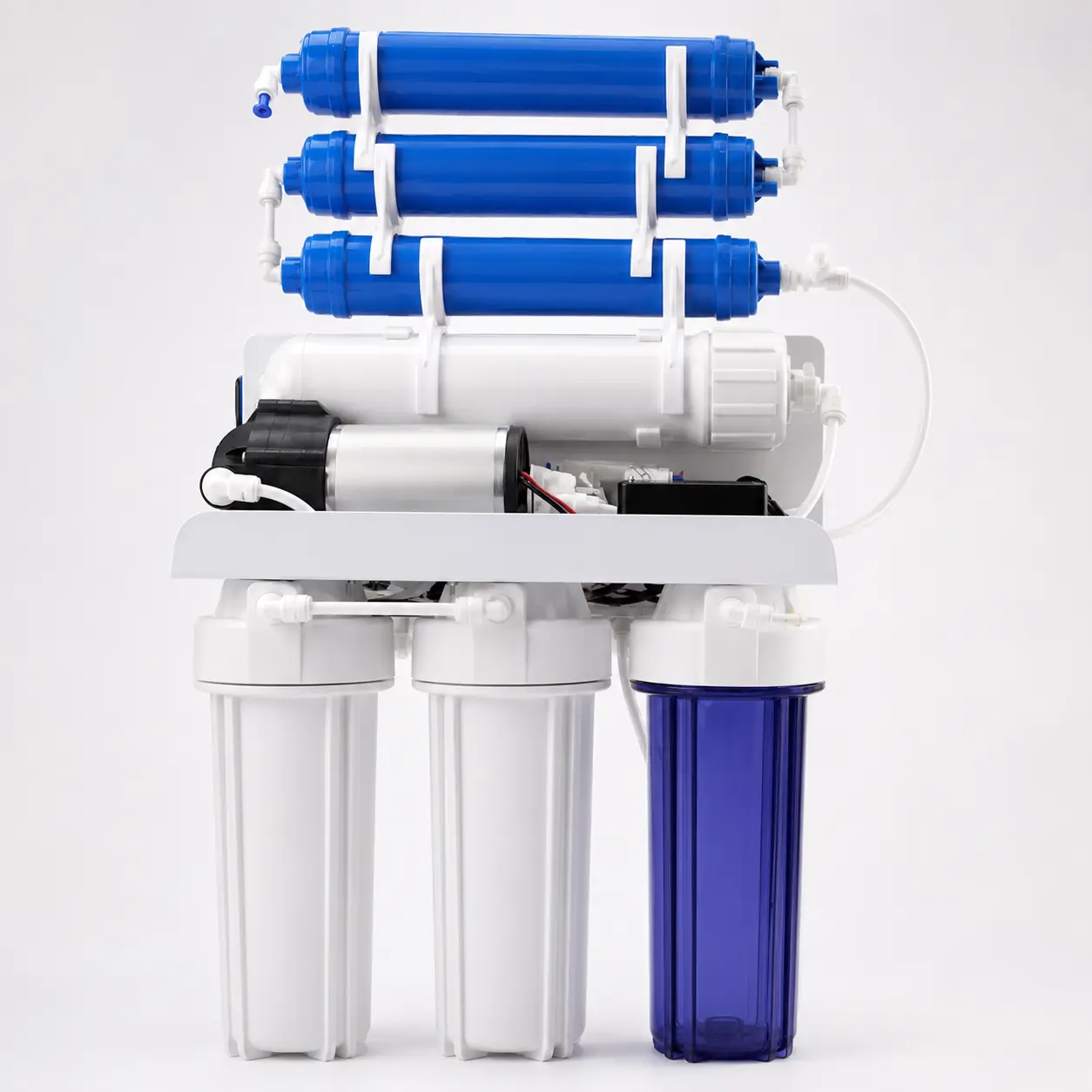
07 · Home RO Systems
Clean Drinking Water for Your Home
Separate from irrigation, we also supply and install domestic RO (reverse osmosis) systems for drinking water. Karachi's high-TDS supply makes RO the practical choice for clean, good-tasting water at home. Our domestic systems are generally 7-stage, taking the water through sediment and carbon pre-filters, the RO membrane itself, and post-filters that polish the taste.
It's the kind of upgrade that seems small until you realise you're drinking better water every single day. We supply, install and commission the system, and explain the simple routine for changing filters down the line.
What you get
- 7-stage domestic RO system
- Sediment & carbon pre-filters
- RO membrane (TDS reduction)
- Post / taste filters
- Supply, install & commissioning
Good for
- High-TDS Karachi supply
- Tanker-fed homes
- Boring water for the home
- Better-tasting drinking water
- Families wanting safer water
08 · Guide Pricing
What Filters Cost in Karachi
Guide ranges – exact price depends on size, flow and your water source, confirmed after a free assessment.
| Filter | What it's for | Guide price |
|---|---|---|
| Disc filter | Drip irrigation, septic-water, rooftop inline | Rs 25,000–70,000 |
| Hydrocyclone | Heavy sand in boring water | Rs 30,000–1 lakh |
| Sand media filter | Large systems, organic matter, farms | Rs 1–3 lakh |
| Domestic RO (7-stage) | Home drinking water | Rs 50,000–3 lakh |
| Screen filter | Light duty, already-clean water | Ask us |
Prices vary with size and flow rate. Many systems use two filters together (e.g. hydrocyclone + disc on boring water).
09 · Quality
This Is an Investment, Not a Cost
Filters are where a lot of installers cut corners – fit a cheap, undersized filter, or skip one entirely to shave the quote. It looks like a saving until the emitters clog, the watering goes patchy, and the whole system needs flushing or replacing far too soon. On a drip system especially, a missing or under-spec filter is the single most common reason it fails early. Penny-wise, pound-foolish.
The right filter, correctly sized to your water and flow, protects an investment many times its own cost and keeps it running for years. We'd rather size it properly once than have you replace clogged drippers later. That's the honest call we make on every job.
10 · How We Work
Honest Assessment First
Tell us your water source
WhatsApp us whether it's boring, underground tank, tanker, septic or supply line – and what system it feeds.
We recommend & size it
We pick the right filter (or combination) for your water and flow, and give you a clear price – no upselling.
We install & show you
Clean install, fitted in the right place in the line, plus a quick walk-through on cleaning and flushing it.
Proof, Not Promises
Filtration in Real Systems We've Built
Filters rarely stand alone – they're the quiet part of a system that makes the rest work. Here are two real projects where the right filter was essential.

1,500 sqm Lawn on Recycled Water – 5 Years
This bungalow lawn draws from both the clean-water tank and the septic tank, putting treated waste water onto the grass instead of down the drain. A disc filter is what makes that safe for the system – without it, reusing septic water would clog the nozzles fast. Five years on, still running, not a single call-back.
2-Acre Farm – Sand Media + Disc Filtration
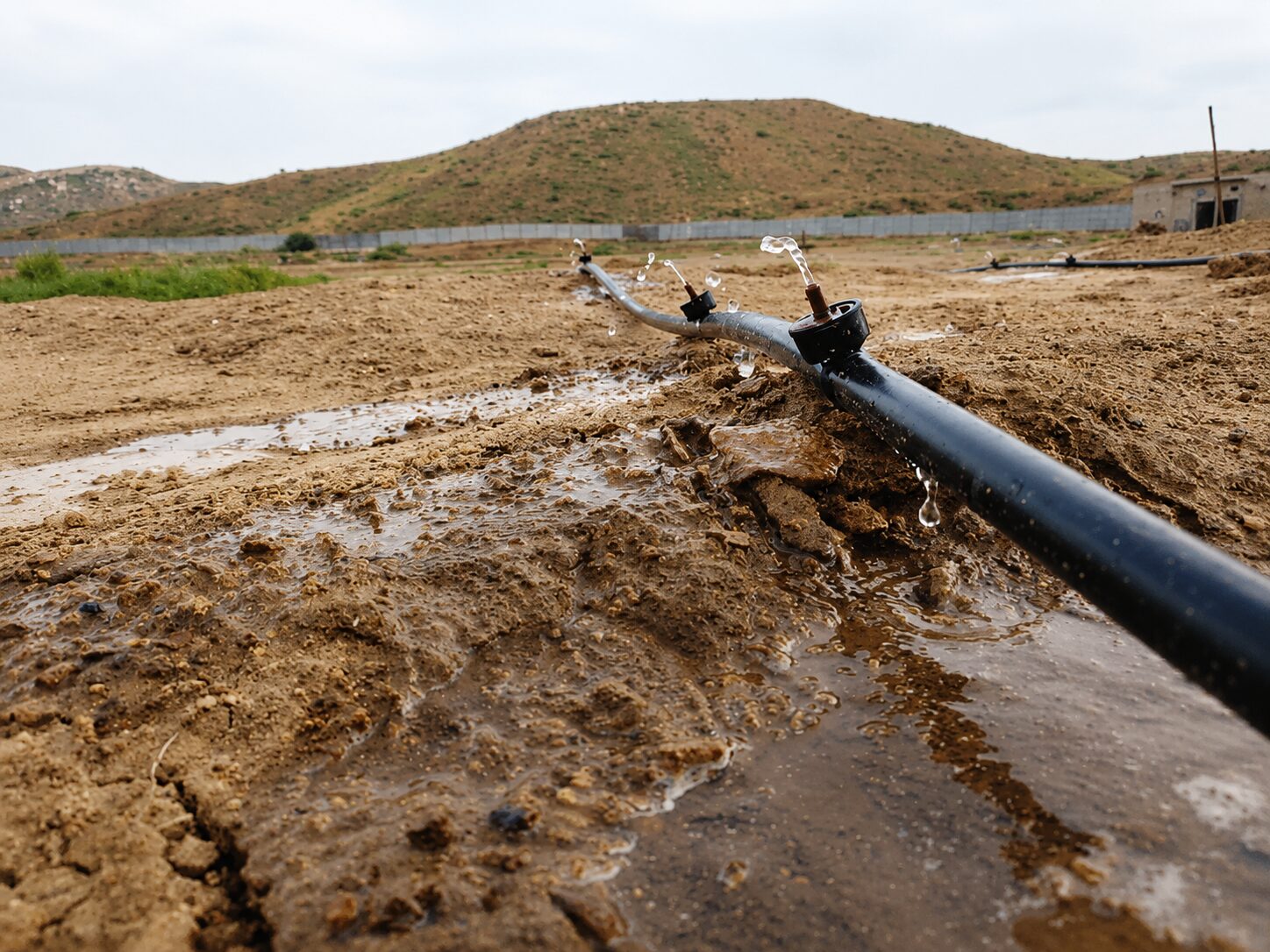
A two-acre mixed farm – bananas on one acre, guava and papaya on the other – running inline and online drip. The water is filtered through a sand media filter and a disc filter together, the standard agricultural setup: the media takes the bulk and organic matter, the disc gives the fine filtration that protects every dripper.
11 · Components
Quality Components We Trust
What matters in a filter is that it's the right type, correctly sized, and built to take Karachi's water without cracking or clogging prematurely. We use good-quality disc, sand media, hydrocyclone and RO components and will always tell you exactly what's going in. Exact brands depend on current availability and what suits your water and budget – we size to the job, not to a price tag.
12 · Warranty & Support
What's Covered
Every installation carries a workmanship warranty – if something fails because of how we installed it, we put it right. Free WhatsApp support is always available for questions and troubleshooting. On-site service visits after handover (filter cleaning, media changes, RO cartridge replacement, relocations) are chargeable, as they involve travel and labour. We're always upfront about what's covered and what isn't, no surprises.
Common Questions
What people usually ask before getting started
Konsa filter mere system ke liye sahi hai?
It depends on your water source and system. Farm drip usually needs a sand media + disc filter; boring water needs a hydrocyclone in front; a sprinkler on a septic tank needs a disc filter; and clean supply-line water may need none. Tell us your source and we'll recommend exactly what's needed.
Filter ki price kya hai?
Guide ranges: disc filter Rs 25,000–70,000; hydrocyclone Rs 30,000–1 lakh; sand media filter Rs 1–3 lakh; domestic 7-stage RO Rs 50,000–3 lakh. Price varies with size and flow – exact figure after a free assessment.
Boring ka pani drip system kharab karta hai – hal kya hai?
Boring water carries fine sand that clogs drippers. The fix is a hydrocyclone (sand separator) in front to spin the sand out, usually paired with a disc filter behind it. Together they protect the system and last far longer than one filter alone.
Disc filter aur sand media filter mein farq kya hai?
A disc filter uses grooved rings to trap fine particles and is the workhorse for drip. A sand media filter is a tank of sand that holds a large amount of sediment and organic matter, used on bigger/dirtier systems. On farms they're often used together.
Kya sprinkler system ko bhi filter chahiye?
Only if the water needs it. On clean supply-line or clean tank water, no filter is needed. But if a sprinkler runs on a septic / recycled tank, a disc filter is mandatory to keep the nozzles clear.
Filter kitni baar saaf ya replace karna parta hai?
A disc filter is opened and rinsed when flow drops – no cartridge to buy. A sand media filter is back-flushed periodically. A hydrocyclone needs the collected sand drained. RO membranes and cartridges are replaced on a schedule depending on your water and usage. We show you the routine at handover.
RO system ghar ke liye – kitne stage aur price?
Our domestic RO systems are generally 7-stage (sediment + carbon pre-filters, RO membrane, and post / taste filters). Price is roughly Rs 50,000–3 lakh depending on the system. We supply, install and commission it.
Kya bina filter ke system chal sakta hai?
It can run for a while, but on most Karachi water it will clog and fail far sooner – especially drip. A correctly sized filter is the cheapest way to protect a system that costs many times more, which is why we don't skip it.
Screen filter theek hai ya disc filter behtar?
A screen filter is simpler and cheaper but clogs faster and handles fine sediment poorly. For most drip work in Karachi a disc filter does the same job far better and is just as easy to clean, so we usually recommend the disc filter.
Drip irrigation ke liye kitna mesh / micron filter chahiye?
As a rule of thumb, drip emitters need finer filtration (commonly around 120 mesh, and finer for very small emitters or drip tape), while sprinklers can run coarser (around 80 mesh). If a system mixes drip and sprinklers, we filter to the finest part. We pick the exact rating for your emitters and water during the assessment.
RO water ka TDS kitna hona chahiye?
For drinking water, a healthy RO output usually falls in the low tens of PPM, well within safe limits. Karachi's supply and boring water often sit far higher, which is why RO makes such a difference. We can check your TDS and set the system up accordingly.
RO system pani waste karta hai?
Some reject water is normal for any RO system – that's how the membrane flushes away the concentrated impurities. A well-set-up system keeps that to a sensible ratio, and many people reuse the reject water for plants, washing or cleaning rather than letting it run off.
RO filters kitne arsay baad badalne partay hain?
It depends on your water quality and usage. As a general guide, sediment and carbon pre-filters are changed more often, while the RO membrane lasts much longer. On hard Karachi water, filters need changing sooner. We tell you a realistic schedule for your water at handover.
Kya RO zaroori minerals nikal deta hai?
RO does remove minerals along with the impurities. Many systems add a mineral or alkaline stage near the end to put back beneficial minerals and balance the taste and pH. We can include that stage if you want it.
Filter ko kis tarteeb mein lagaya jata hai?
Order matters. The coarsest separation goes first – for example a hydrocyclone to spin out sand, then a sand media filter for bulk and organic matter, then a disc filter for the fine final filtration – so each stage protects the next. We set the sequence correctly for your water.
Sand media filter back-flush kaise hota hai?
Back-flushing reverses the water flow through the sand bed so the trapped dirt is washed up and out to a drain, then normal flow resumes. It's quick once you know the steps, and we show you exactly how at handover. On larger systems it can be automated.
Filter automatic / self-cleaning ho sakta hai?
Yes, on larger or commercial systems automatic self-cleaning (auto-flush) setups are available, so the filter back-flushes itself on a schedule or by pressure difference without anyone present. For most home and small-farm systems, simple manual cleaning is enough and cheaper.
Algae / kai wala pani – konsa filter?
Algae and organic matter clog a plain screen quickly. A disc filter handles it far better, and on bigger systems a sand media filter is the right answer because it traps organic matter throughout its depth. For very dirty open-water sources we combine them.
Kya filter khud saaf kar sakta hoon?
Yes – that's the point of the design. A disc filter opens up so you can rinse the discs; a screen is rinsed the same way; a sand media filter is back-flushed; a hydrocyclone's collected sand is drained. We walk you through the routine so you can do it yourself, and we're on WhatsApp if you get stuck.
The Right Filter, Sized Right
Free assessment in Karachi. We recommend exactly what your water needs – and nothing it doesn't. No overselling. We don't disappear after installation.
Based in Karachi · Free site visits available · Open Every Day, 9am–10pm